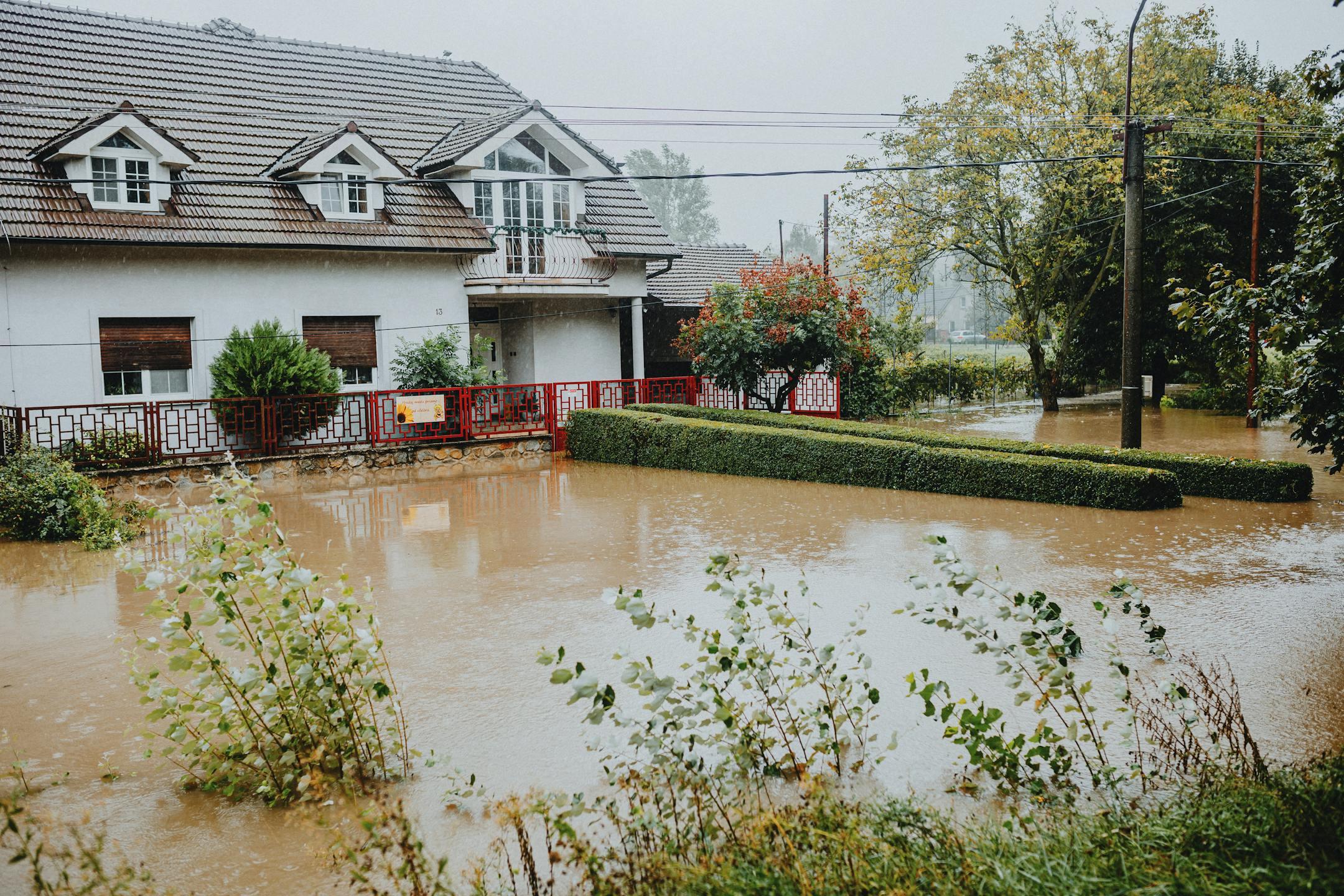
Climate change is no longer abstract. You see it in floods that damage homes. In heat waves that push power grids to the limit. In storms that displace families overnight.
At the same time, housing is harder to find and harder to afford. Cities grow. Construction costs rise. Land becomes scarce. And millions of people need safe, stable places to live.
That is why sustainable housing projects matter now. They address climate risk and housing shortages at the same time. And they do it in a practical way.
If you care about resilient communities, this affects you.
Homes face real threats.
Rising sea levels increase flooding in coastal areas. Stronger storms damage roofs, windows, and foundations. Heat waves raise indoor temperatures to unsafe levels. Wildfires destroy entire neighborhoods.
Traditional construction often ignores these risks. Buildings rely on high energy use for cooling and heating. Materials break down faster under extreme weather. Infrastructure fails under stress.
Sustainable housing projects take a different approach. They start with risk. They ask:
Designers then plan for durability and efficiency. They elevate structures in flood-prone areas. They improve insulation to handle extreme heat and cold. They use materials that last longer and require fewer repairs.
This reduces damage. It lowers maintenance costs. And it keeps people in their homes.
Housing shortages are not only about numbers. They are about quality and access.
Many regions face rapid population growth. Others struggle with aging housing stock that no longer meets safety standards. Informal settlements grow because formal housing is too expensive or too slow to build.
Sustainable housing projects respond by focusing on efficiency and scale. They use design methods that reduce waste. They streamline construction. They plan communities, not just single buildings.
Energy-efficient homes lower monthly utility bills. That matters for families living on tight budgets. Durable materials reduce repair costs. That matters for long-term affordability.
When housing is both sustainable and affordable, it supports stability. Families can stay in place. Children can attend the same schools. Communities can grow stronger.
Buildings account for a large share of global energy use and carbon emissions. Construction uses concrete, steel, and other materials that require high energy to produce. Once built, homes consume electricity and fuel every day.
Sustainable housing projects reduce that footprint in clear ways.
First, they improve energy performance. Better insulation, high-performance windows, and efficient heating and cooling systems reduce energy demand. Solar panels and renewable systems supply clean power.
Second, they use materials more wisely. Recycled content lowers the need for new raw materials. Local sourcing reduces transport emissions. Smart design reduces overall material use.
Third, they manage water responsibly. Rainwater harvesting, efficient fixtures, and proper drainage systems reduce strain on local infrastructure.
These steps cut emissions. They conserve resources. And they reduce pressure on ecosystems.
This is not about trends. It is about reducing measurable impact.
Climate change increases displacement. Floods, droughts, and storms force people to leave their homes. In many cases, they move to temporary shelters or overcrowded cities.
Sustainable housing projects help prevent that cycle.
When homes withstand storms, families do not lose everything in a single event. When buildings stay cool during heat waves, residents avoid health crises. When infrastructure handles heavy rainfall, communities recover faster.
In disaster-prone regions, resilient design saves lives. It reduces the need for emergency aid. It lowers the long-term cost of rebuilding.
This is especially important in low-income areas. Vulnerable populations often live in the highest-risk zones. They have fewer resources to recover. Sustainable housing projects reduce that gap by improving safety at the design stage.
Prevention costs less than rebuilding. And it protects dignity.
Individual homes matter. But planning entire neighborhoods matters more.
Sustainable housing projects look at transportation, green space, water systems, and public services. They reduce reliance on long commutes by building closer to jobs and transit. They include green areas that manage stormwater and reduce urban heat.
Walkable layouts improve health. Access to public transport lowers emissions. Shared infrastructure reduces costs.
This kind of planning creates stronger communities. It reduces isolation. It supports local economies.
And it prepares cities for future growth.
Some argue that sustainable design costs more upfront. In some cases, initial investment is higher. But focusing only on construction cost misses the full picture.
Lower energy bills save money every month. Fewer repairs reduce maintenance costs. Stronger buildings reduce insurance claims and disaster recovery expenses.
Over time, sustainable housing projects deliver better value. They perform better in extreme conditions. They last longer. And they protect both public and private investment.
When governments, developers, and communities plan for long-term resilience, they avoid repeating the same mistakes.
The climate will continue to change. Population growth will continue. Housing demand will rise.
The question is not whether we build. It is how we build.
Sustainable housing projects provide a direct answer. They reduce emissions. They manage climate risk. They address housing shortages with durable, efficient design.
For organizations working in development, engineering, and infrastructure, this approach is practical. It combines environmental responsibility with real-world needs. It focuses on resilience, affordability, and long-term impact.
If you are involved in planning or investing in housing, you have a role to play. You can support designs that account for climate risk. You can prioritize materials and systems that reduce energy use. You can plan communities that serve people over decades, not just years.
Housing shapes daily life. It shapes health, safety, and opportunity.
And in a changing climate, sustainable housing projects are not optional. They are necessary.
The decisions made today determine whether communities struggle through each new disaster or stand strong through it.
Build for the future. Build to last. Get in touch today to learn more.