In the aftermath of a disaster, swift and effective relief efforts are vital for communities striving to recover. FEMA disaster relief contractors play a crucial role in this process. Yet, many people are unaware of how these professionals are selected, the diverse services they provide, and the strict regulations they adhere to. Understanding these aspects helps shed light on the intricate mechanisms that ensure efficient disaster response and recovery efforts.
This blog post offers a clear overview of the contractor selection process for FEMA disaster relief, explores the range of services these contractors provide, and delves into the regulatory framework governing their operations.
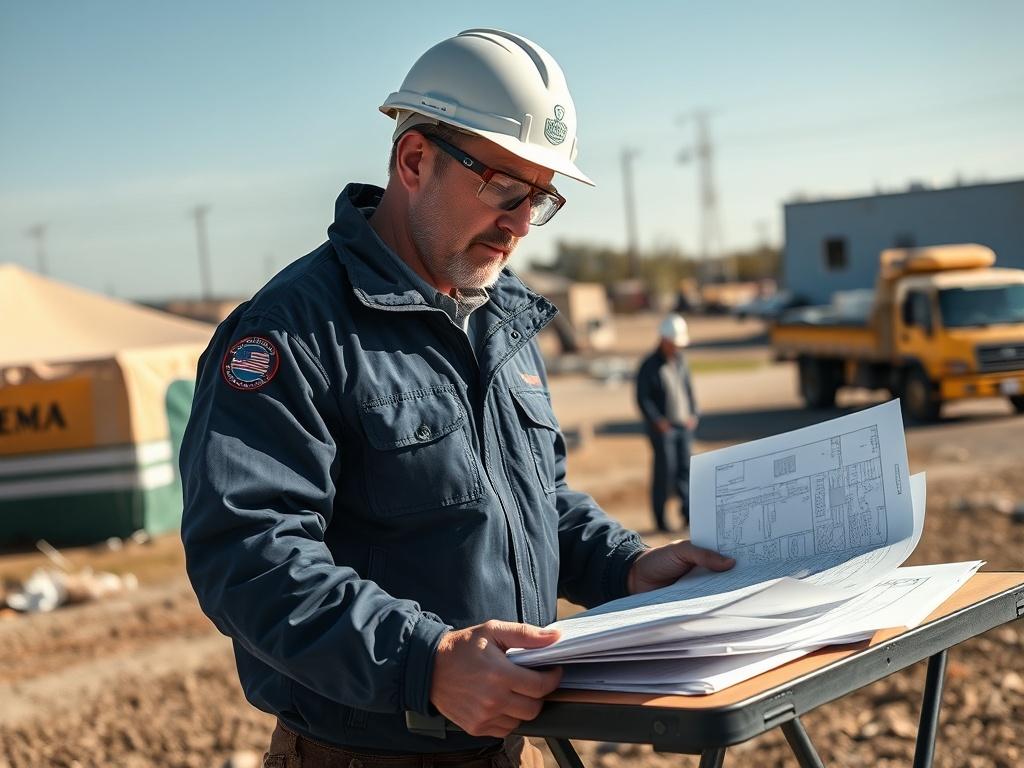
When disasters strike, FEMA needs to act quickly, and contractors play a crucial role in this process. The selection of these contractors involves a meticulous evaluation process designed to ensure efficiency and effectiveness in disaster response. FEMA typically utilizes a combination of competitive bidding and qualifications-based selection to identify the most capable contractors. Firms interested in providing services must first register in the System for Award Management (SAM), submit detailed proposals, and demonstrate their experience in disaster response. FEMA evaluates the bids based on technical capability, past performance, and cost-effectiveness, ensuring that only the best-suited contractors receive contracts to assist during emergencies.
Once FEMA narrows the list of potential contractors, it may conduct on-site assessments or interviews to further evaluate the firms' capacity and readiness. This pre-qualification screening is instrumental in safeguarding public resources, particularly in urgent situations and when significant funding is involved. After selecting contractors, FEMA assigns tasks based on the specific needs of the disaster-affected areas, ensuring that response efforts are coordinated and streamlined.
FEMA disaster relief contractors offer a diverse array of services that play a critical role in responding to and recovering from disasters. These contractors provide immediate assistance by deploying first responders, establishing temporary shelters, and delivering essential supplies such as food, water, and medical aid. They help restore vital infrastructure by assessing damage, clearing debris, and repairing public facilities, roads, and utilities. In addition to these physical services, contractors also offer technical assistance and administrative support. They help with disaster response logistics, manage operations, and facilitate communication among the various agencies and stakeholders involved in recovery efforts.
Beyond immediate response, these contractors contribute to long-term recovery and mitigation efforts. They engage in hazard mitigation activities to help communities prepare for future disasters, focusing on improving resilience and reducing vulnerability. In many cases, contractors also provide project management services for rebuilding efforts, ensuring that reconstruction is completed efficiently and in compliance with FEMA guidelines. Their expertise spans a broad spectrum of areas, including public health, environmental sustainability, and community planning.
FEMA disaster relief contractors operate under a strict regulatory framework to ensure accountability and transparency in the distribution of federal funds. The Federal Acquisition Regulation (FAR) serves as the primary guideline for how the government contracts for services and goods from private entities. Contractors must follow specific protocols during the bidding process, including providing evidence of their experience, financial stability, and capability to deliver the required services. Additionally, FEMA imposes its own regulations that further outline contractors' obligations, including performance standards and compliance requirements. This comprehensive set of rules helps maintain the integrity of the disaster relief process and protects public resources.
In addition to federal regulations, contractors must also comply with state and local laws that may affect their operations during a disaster response. These rules can vary widely by jurisdiction and may include labor laws, safety regulations, and environmental compliance requirements. FEMA regularly conducts audits and performance reviews to verify that contractors meet these standards and adhere to the terms of their contracts.
When you work with a disaster relief construction team—or find yourself needing one after a storm—remember this: behind every project are people who show up in the chaos, stay long after dark, and don’t stop until your community is safe again.
Reach out to DrashUSA today to learn how our disaster relief construction services can support you when it matters most.