When a disaster disrupts essential operations, getting back on your feet takes more than equipment and a quick response. Organizations need people who can assess the situation, develop a workable plan, coordinate resources, and implement reliable solutions. That's where disaster recovery contractors come in.
Their responsibilities can range from the first site assessment to installing temporary facilities and support systems. Depending on the project, they may help government agencies, emergency responders, healthcare organizations, and other teams restore critical services under challenging conditions.
Understanding what disaster recovery contractors actually do can help organizations prepare for emergencies and choose partners who understand the practical demands of recovery.
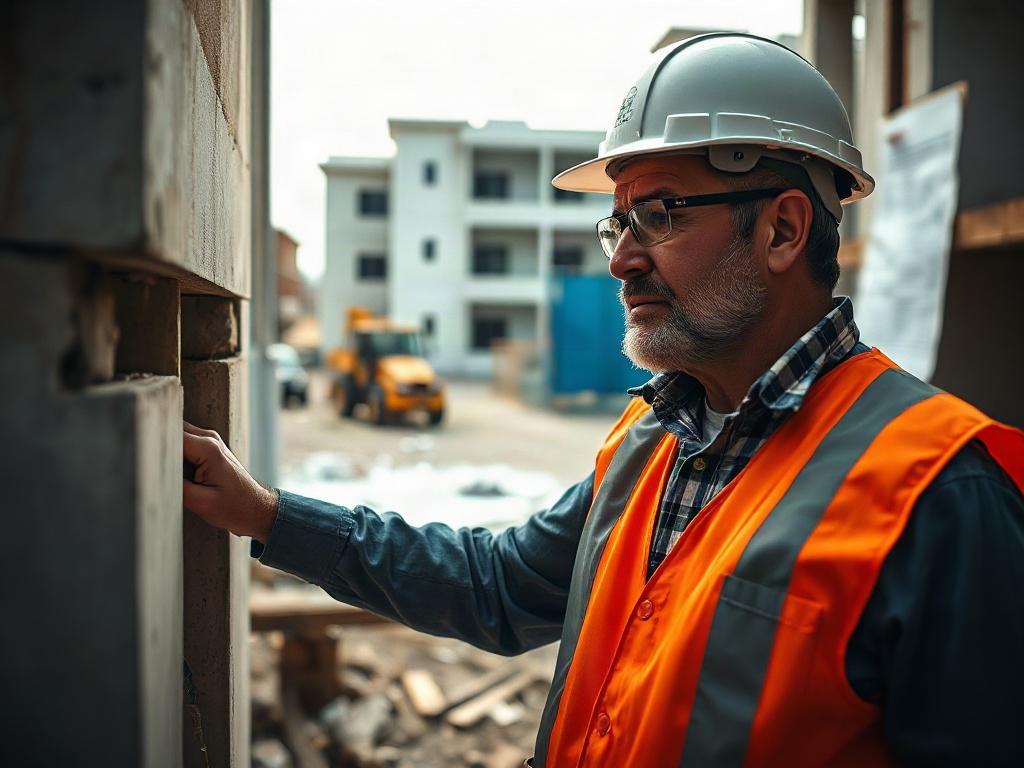
Every recovery effort begins with understanding what's happened and what people need. A contractor may evaluate the affected site, identify damaged infrastructure, review access limitations, and determine which services must be restored first.
This assessment helps establish the scope of work. A remote location with limited utilities presents different challenges from a damaged facility near an established transportation network. Contractors need to understand those conditions before recommending equipment, staffing, or installation methods.
They may also work with emergency managers and organizational leaders to establish priorities. For example, a team supporting medical operations might need a functioning clinical space, reliable power, and environmental controls before addressing less urgent facilities.
The quality of this initial assessment affects every stage that follows. Identifying practical constraints early can reduce avoidable delays and help decision makers allocate resources where they're needed most.
Once the immediate needs are clear, disaster recovery contractors help translate those findings into an actionable plan. This involves determining what must be delivered, where it will be installed, which resources are required, and how the work will fit within the available timeframe.
Planning also means anticipating problems. Weather, transportation restrictions, limited site access, and shortages of local utilities can all affect a project's schedule. Contractors need to account for these realities rather than rely on assumptions that may not hold up in the field.
A recovery plan may address several key areas:
Clear planning gives everyone involved a shared understanding of responsibilities and expectations. It also makes it easier to adjust when conditions change, which is common during disaster response.
Disaster recovery doesn't look the same everywhere. A community recovering from a wildfire may need replacement housing, while another dealing with severe flooding may need temporary facilities as permanent repairs move forward.
Contractors use the assessment and recovery plan to develop a design that fits the site's conditions, available budget, and intended use. They consider factors such as building layout, durability, energy efficiency, accessibility, and the needs of the people who will occupy the space.
Modular and prefabricated construction can be useful when communities need buildings delivered on a tight schedule. Components prepared in advance can reduce some on-site construction work, although site preparation, permitting, utilities, and local conditions still affect the timeline.
Good design considers more than the immediate emergency. A structure should serve its intended purpose and support the people who rely on it for as long as it's needed.
Once the design is approved, contractors coordinate the work required to turn plans into usable facilities. That can involve preparing the site, arranging material deliveries, overseeing construction, and coordinating qualified tradespeople.
Logistics can become a major challenge after a disaster. Roads may be damaged, local suppliers may be overwhelmed, and essential utilities may be unavailable. Contractors need to adapt delivery schedules and installation plans to on-the-ground conditions.
Before handing over a facility, the team should verify that the work meets applicable requirements and that essential systems are ready for use. Depending on the project, this may include inspections, equipment checks, and confirming that the building is suitable for its intended purpose.
Clear communication throughout this stage helps clients understand what's complete, what remains outstanding, and when they can expect to use the facility.
Disaster recovery is ultimately about the people whose lives have been disrupted. A building may be the physical result of a project. Still, its real value comes from what it makes possible: a family returning to a safe home, students returning to a classroom, or a community regaining access to essential services.
A people-first approach means listening to the community, explaining decisions clearly, and recognizing that recovery needs differ from one household or organization to another. Affordability, comfort, durability, and long-term usefulness should all factor into the solution.
Contractors who consider these needs can help communities make decisions that serve residents beyond the immediate emergency. Recovery should give people a practical foundation for moving forward, not simply replace what was lost with the fastest available option.
Disaster recovery contractors do far more than oversee construction. They assess damage and needs, develop plans, coordinate design, manage installation, and help deliver facilities that people can rely on during a difficult period.
The right partner understands both the practical demands of construction and the human impact of a disaster. If your organization is exploring recovery or rebuilding options, contact DrashUSA to discuss your project. Our team can help you explore potential solutions and identify the next steps toward creating safe, practical spaces for the people who need them.