When we talk about sustainable houses, we are not simply talking about homes with solar panels or environmentally friendly materials. True sustainability begins with the way a home is designed, built, and expected to perform over time.
At DrashUSA, we believe sustainable housing should create healthier, more comfortable living environments while using resources responsibly. Just as importantly, sustainability should support affordability. A home that consumes less energy, conserves water, withstands changing conditions, and requires fewer unnecessary repairs can help reduce the ongoing cost of homeownership.
Whether we are thinking about an individual residence or an entire housing community, several fundamental features help make that possible.
One of the most important features of sustainable houses is also one of the least visible: insulation.
The building envelope—including the walls, roof, windows, doors, and foundation—separates the conditioned interior of a home from the environment outside. When that envelope performs well, heating and cooling systems do not have to work as hard to maintain comfortable indoor temperatures.
We believe efficiency should begin here rather than with expensive technology. Proper insulation, air sealing, and efficient windows can reduce unwanted heat transfer and help maintain more consistent indoor conditions throughout the year.
This approach can be particularly important in communities exposed to extreme temperatures or unpredictable weather. Better thermal performance contributes not only to energy conservation but also to comfort, resilience, and more predictable utility costs.
Once the building itself is designed to conserve energy, the next step is ensuring its systems operate efficiently.
Heating, cooling, lighting, appliances, and water heating all contribute to a household's energy consumption. Choosing appropriately sized, energy-efficient equipment can significantly reduce unnecessary demand.
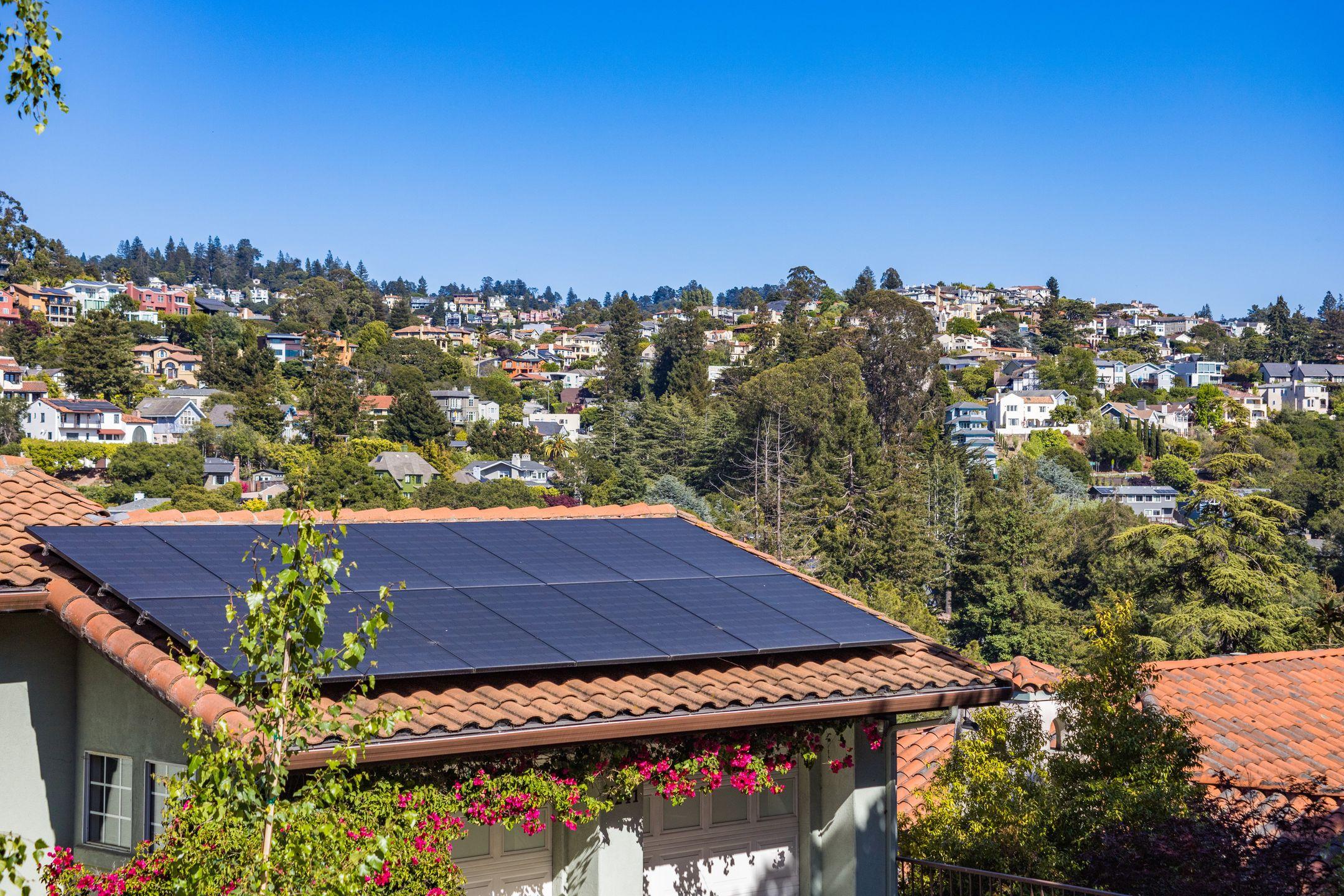
At DrashUSA, we also recognize the role renewable energy can play. Solar and other alternative energy solutions can reduce dependence on traditional energy sources when they are appropriate for the project. However, we believe renewable technology works best when it complements an already-efficient building rather than compensating for poor design.
Sustainability starts by reducing the energy a home needs. From there, we can consider how that energy is produced.
Energy efficiency should never come at the expense of indoor air quality.
As homes become more tightly sealed, thoughtful ventilation becomes increasingly important. A properly designed ventilation system replaces stale indoor air with fresh outdoor air while helping manage moisture and indoor pollutants.
Good ventilation can also help protect the building itself. Excess moisture can contribute to mold, deterioration, and other issues that shorten the useful life of building materials.
For us, sustainability is about creating homes that support the people living inside them. A sustainable home should not only consume fewer resources—it should provide a healthy, comfortable environment for everyday life.
Energy receives a great deal of attention in sustainable construction, but water conservation is equally important.
Low-flow faucets and showerheads, efficient toilets, water-conscious landscaping, and smart irrigation systems can reduce household water use without compromising daily convenience. Depending on the location and project, rainwater collection or other water-management strategies may also be incorporated.
Responsible water design extends beyond what happens inside the home. Sustainable developments should also consider drainage and stormwater management, particularly in communities where flooding or heavy rainfall presents a risk.
At a larger scale, water-conscious planning reduces strain on local infrastructure while helping communities use natural resources more responsibly.
Some of the most effective sustainable features require very little technology.
The way a house is positioned on its site can influence how much sunlight and heat it receives throughout the day. Thoughtful placement of windows can introduce natural daylight, reduce reliance on artificial lighting, and improve the overall experience of living in the home.
Climate should always influence these decisions. A strategy that makes sense in one region may not be appropriate in another. Sustainable design means responding to local conditions rather than applying the same solution everywhere.
At DrashUSA, our approach includes considering orientation and natural lighting as part of creating energy-conscious housing solutions.
A home cannot truly be sustainable if it has to be constantly repaired or rebuilt.
Durability matters because extending the useful life of a structure can reduce material consumption, construction waste, labor requirements, and long-term costs. When selecting building materials, we believe it is important to consider not just what they cost today but how they will perform over time.
Sustainable materials may include renewable, reclaimed, recycled, locally available, or highly durable options depending on the project. The best choice is not necessarily the material with the most impressive environmental label. It is the material that makes sense for the building, climate, budget, and expected lifespan.
That long-term perspective is central to the way we think about sustainable construction.
More space does not automatically create a better home.
One of the principles we value is designing around how people actually live. Efficient layouts can reduce the quantity of materials needed for construction while making a home easier to heat, cool, maintain, and adapt.
Flexibility matters as well. Families and communities change over time, so housing should be able to respond to changing needs whenever possible. Scalable designs can accommodate different household sizes and applications while avoiding unnecessary construction.
This is especially valuable when developing affordable housing or responding to disaster recovery needs, where communities may require different configurations, timelines, and uses. DrashUSA incorporates scalable and flexible construction approaches into our housing solutions for exactly this reason.
Sustainability is not only about reducing environmental impact. It is also about creating homes capable of lasting in the environments where they are built.
Flooding, extreme heat, wildfires, storms, and other climate risks should be considered during the earliest stages of planning. Appropriate materials, structural systems, drainage, insulation, and site design can all contribute to a more resilient home.
Our experience and mission at DrashUSA are closely connected to disaster response and reconstruction. We understand how disruptive the loss of a home can be, which is why we believe long-term resilience should be part of the sustainable housing conversation from the beginning.
The best sustainable houses are not defined by a single product or technology. They are the result of many thoughtful decisions working together.
Good insulation reduces energy demand. Efficient systems lower consumption. Proper ventilation supports healthy indoor environments. Water-saving features conserve resources. Smart orientation takes advantage of natural conditions. Durable materials extend the life of the building. Flexible layouts make better use of available space.
Most importantly, these decisions need to happen early.
We believe good planning is one of the most powerful sustainability tools available. By considering performance, durability, affordability, and resilience from the beginning, we can create housing that serves people not only when they move in, but for years to come.
At DrashUSA, our mission is to help develop affordable, quality housing solutions that balance sustainability with real-world needs. From housing communities and disaster recovery to commercial, educational, and governmental structures, we approach construction with long-term impact in mind.
Interested in building more sustainably? Contact DrashUSA today to learn more about our affordable and sustainable construction solutions.